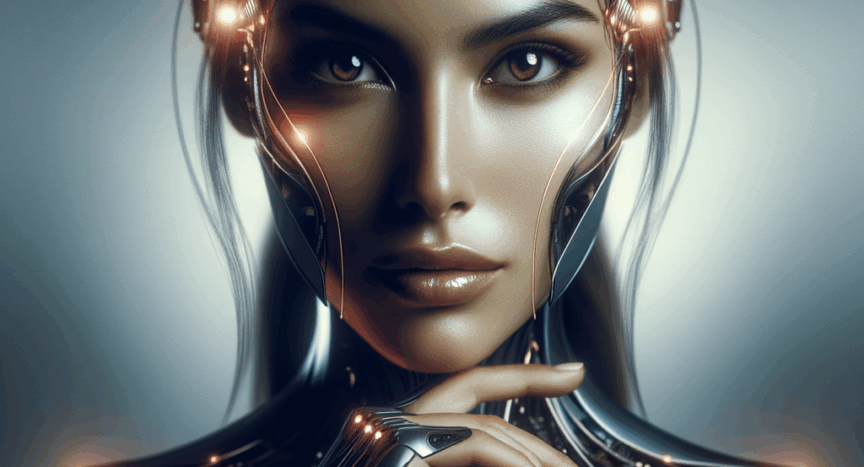
At first glance, the appeal of chatting with an AI avatar may seem purely technological. But dig deeper and you’ll find a surprising truth: what draws people in is not the tech—it’s the emotional experience. AI avatars are becoming popular because they satisfy real human needs for connection, creativity, and self-expression.
One major reason is predictable emotional safety. Unlike human relationships, AI avatars don’t judge, get frustrated, or misinterpret intentions. Users often describe these interactions as comforting and freeing. You can share your ideas, worries, or ambitions without fear of embarrassment. For those with anxiety or social hesitation, an avatar offers a warm, pressure-free environment to simply be yourself.
Another factor is personalization. AI avatars can adapt to the user’s communication style, preferred topics, and emotional tone. Over time, this creates the feeling of a personal bond—like a friend who knows your humor, interests, and quirks. This familiarity keeps people coming back, not because they’re fooled into believing the avatar is human, but because the relationship feels supportive and meaningful.
AI avatars also stimulate creativity and play. Whether you’re writing stories together, role-playing characters, or exploring ideas, an avatar gives you instant collaboration without the friction of coordinating with another person. They’re endlessly patient, always available, and remarkably flexible.
Finally, users appreciate the consistency. While human interactions can be unpredictable, AI avatars offer stability. They’re there when you need them, ready to listen, talk, or help with a task. That reliability creates trust—a powerful emotional anchor.
As AI avatars continue to evolve, they are becoming more emotionally intuitive, visually expressive, and adaptable to individual personalities. For many, they’re not replacing human relationships—just enhancing daily life with a new form of digital companionship.